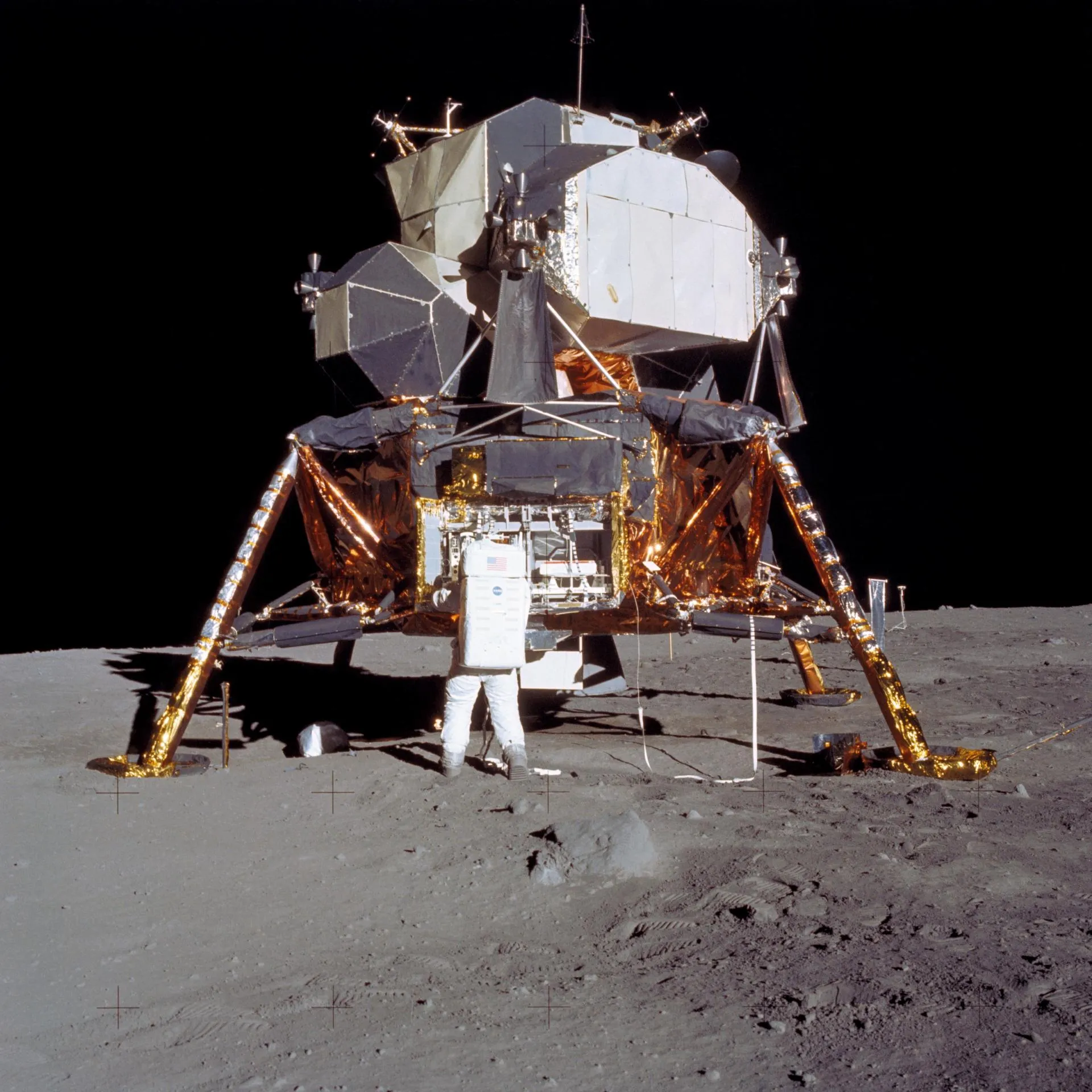
First landing: 20 July 1969Status: Not working any more
Apollo Lunar Module descent stages
Image: NASA (JSC)
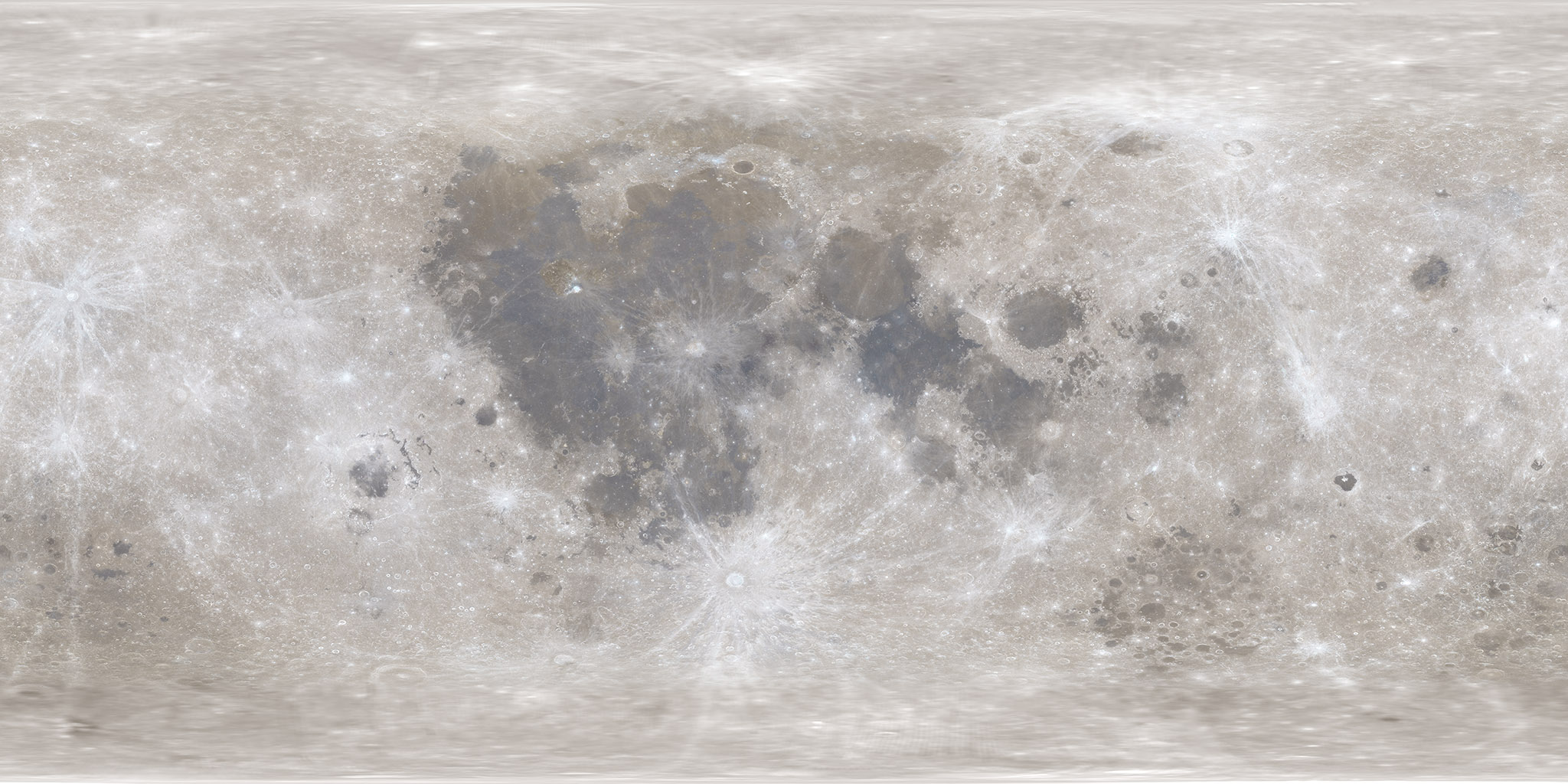
Main spot on the Moon:Tranquility Base, Mare Tranquillitatis
Six Lunar Modules landed astronauts on the Moon between 1969 and 1972. Their descent stages are still there: NASA's Lunar Reconnaissance Orbiter has photographed them at all six landing sites.
What did the Lunar Modules leave behind?
When you picture the Apollo astronauts landing on the Moon, you probably picture the Lunar Module: the spacecraft NASA designed to take Apollo astronauts from lunar orbit down to the Moon's surface, and then back up again. But the Lunar Module had a secret.

Echo: Hi! Let's find out what the Lunar Module was hiding.
How it worked
The secret: two spacecraft in one
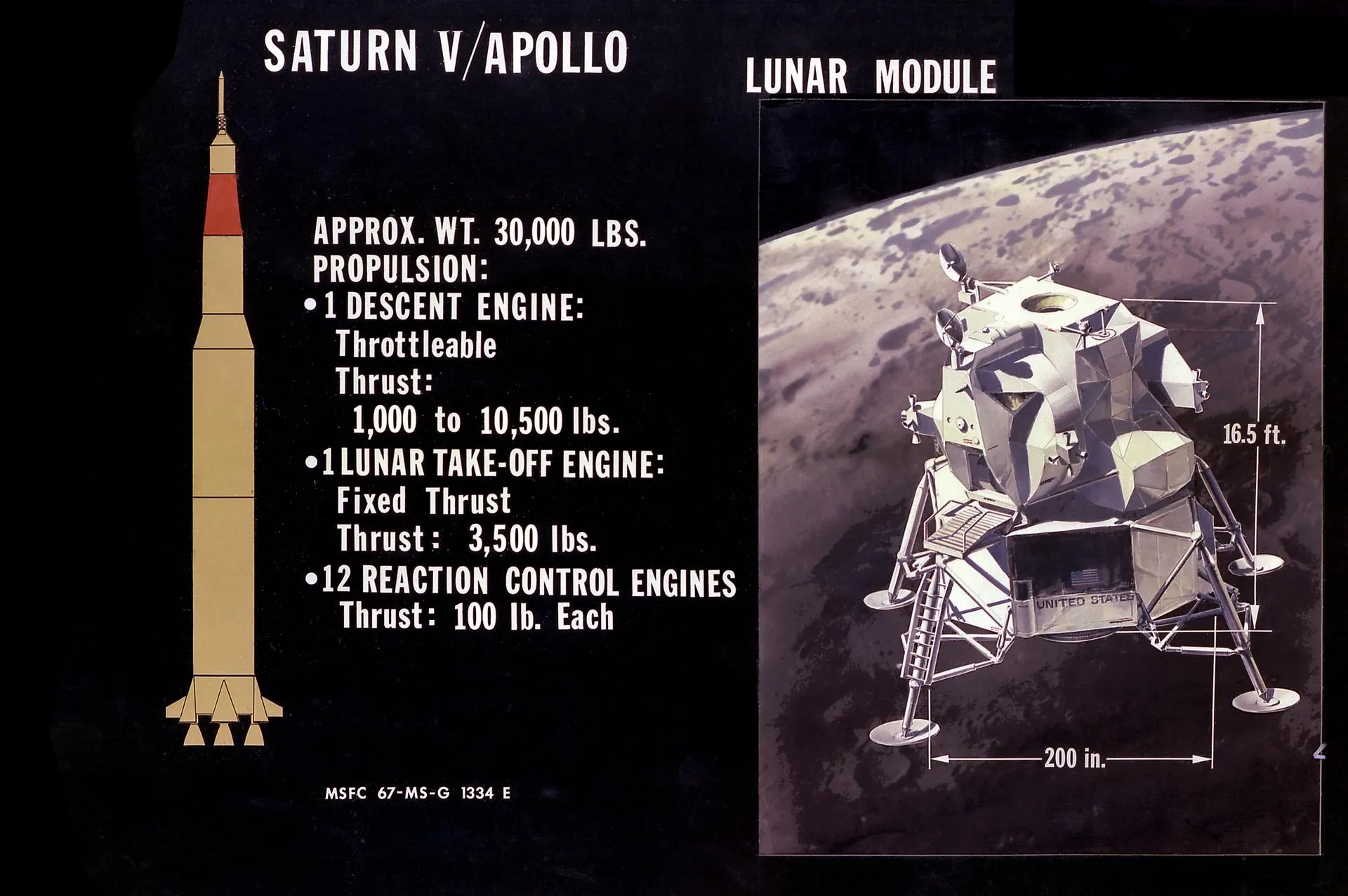
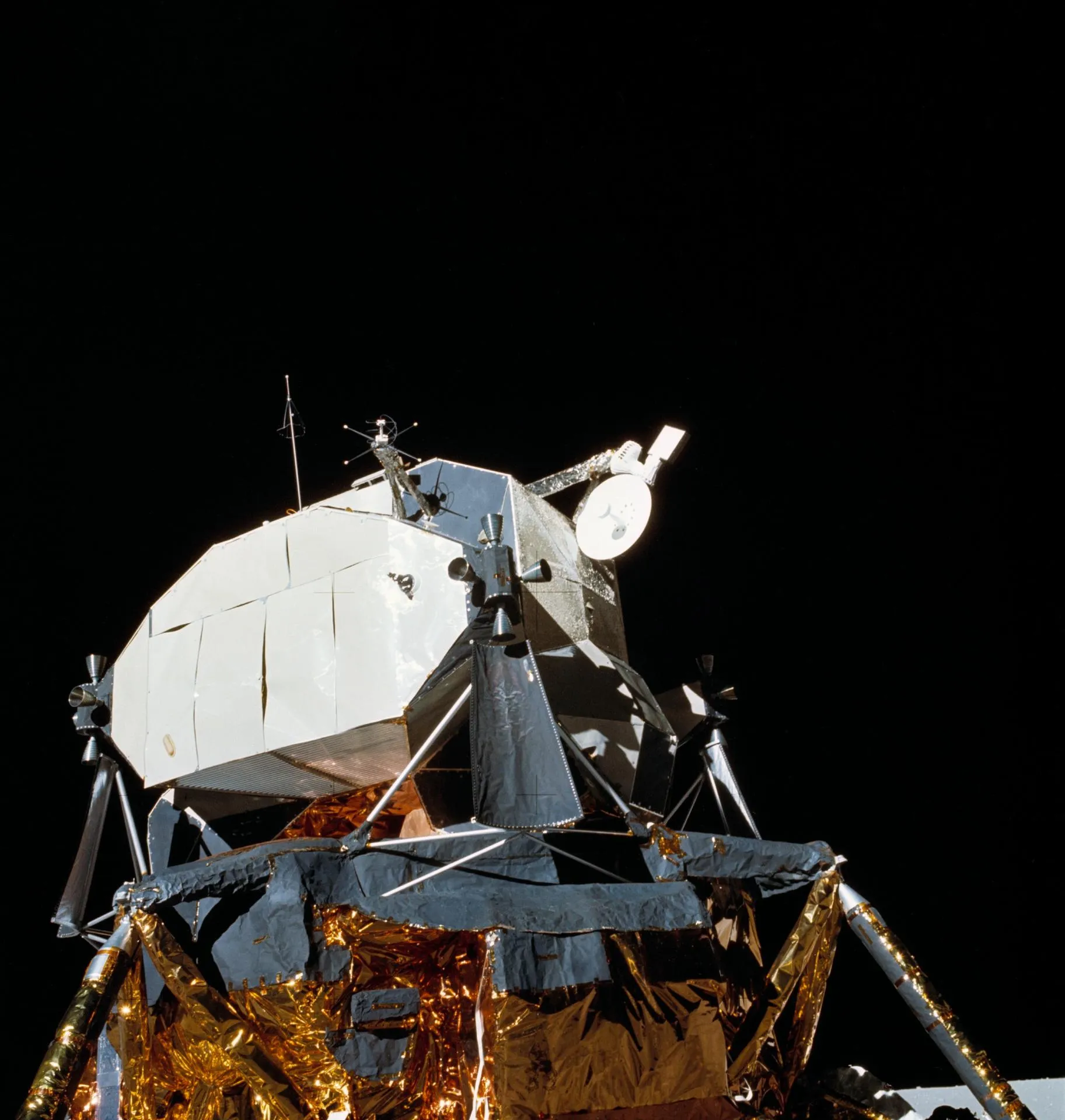
The Lunar Module was actually made of two parts, stacked one on top of the other.
The top half: the ascent stage
The upper part was called the ascent stage. This was where the astronauts lived and controlled the spacecraft. Later, it carried them back up into lunar orbit.
The bottom half: the descent stage
The lower part was the descent stage. And its job was incredibly important.
It carried the engine and fuel needed to slow the Lunar Module down and land it safely on the Moon. It also carried the landing legs, supplies like water and oxygen, and the equipment the astronauts needed on the surface. It was an eight-sided box 4.2 metres across, standing on four legs with round footpads.
A built-in launch platform
Think of it like a spacecraft with a built-in launch platform. The descent stage brought the astronauts down. Then, when it was time to go home, the ascent stage lifted off from it.
And the descent stage? It stayed on the Moon.
That happened on every Apollo mission that successfully landed astronauts on the lunar surface.
 (opens larger view)
The Lunar Module Illustration: a NASA chart of the Lunar Module. The gold-wrapped lower half with the legs is the descent stage.
Image: MSFC
 (opens larger view)
Image: JSC
Look closer
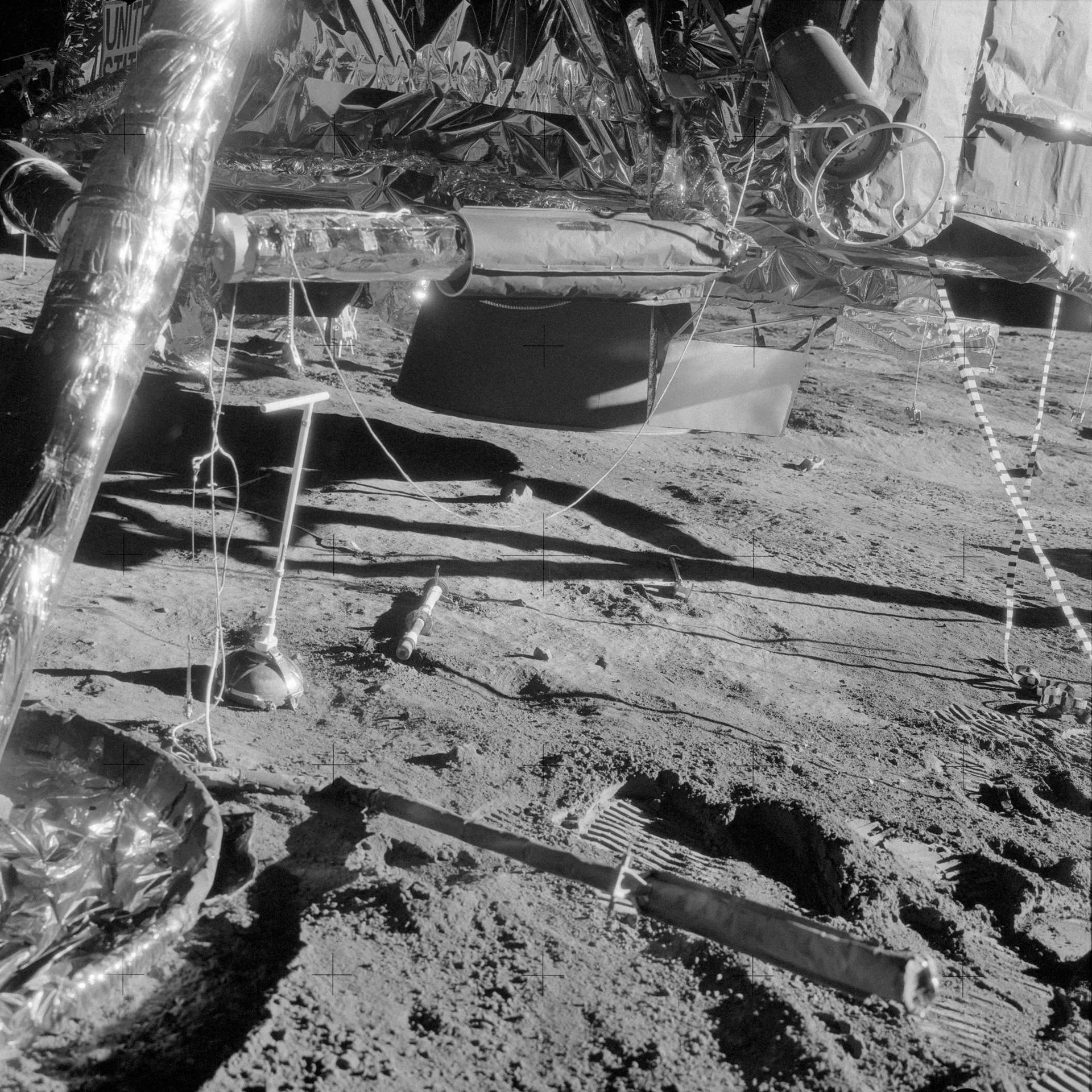
This is part of Apollo 12's descent stage, photographed on the Moon. You can see a footpad, the bell of the landing engine in the middle, and a thin rod sticking out under the foot: a probe that sensed the ground.

Echo: Two spacecraft stacked up, and the bottom one turns into a launch pad!
By the numbers
Six landings, six launch pads
- descent stages left on the Moon
- 6
- how wide each descent stage was, not counting its legs
- 4.2 m
- what each one weighed without fuel, including the gear packed inside
- 2,000+ kg
- after the landing, NASA's LRO photographed Eagle's descent stage from orbit
- 40 years
Apollo 11 · 20 July 1969
The first one left behind
Apollo 11 was the first.
On 20 July 1969, Neil Armstrong and Buzz Aldrin landed in the Lunar Module Eagle. After spending about 21 and a half hours on the lunar surface, they left the descent stage behind when the ascent stage lifted off.
The descent stage had done its job.
But Apollo 11 was only the beginning.
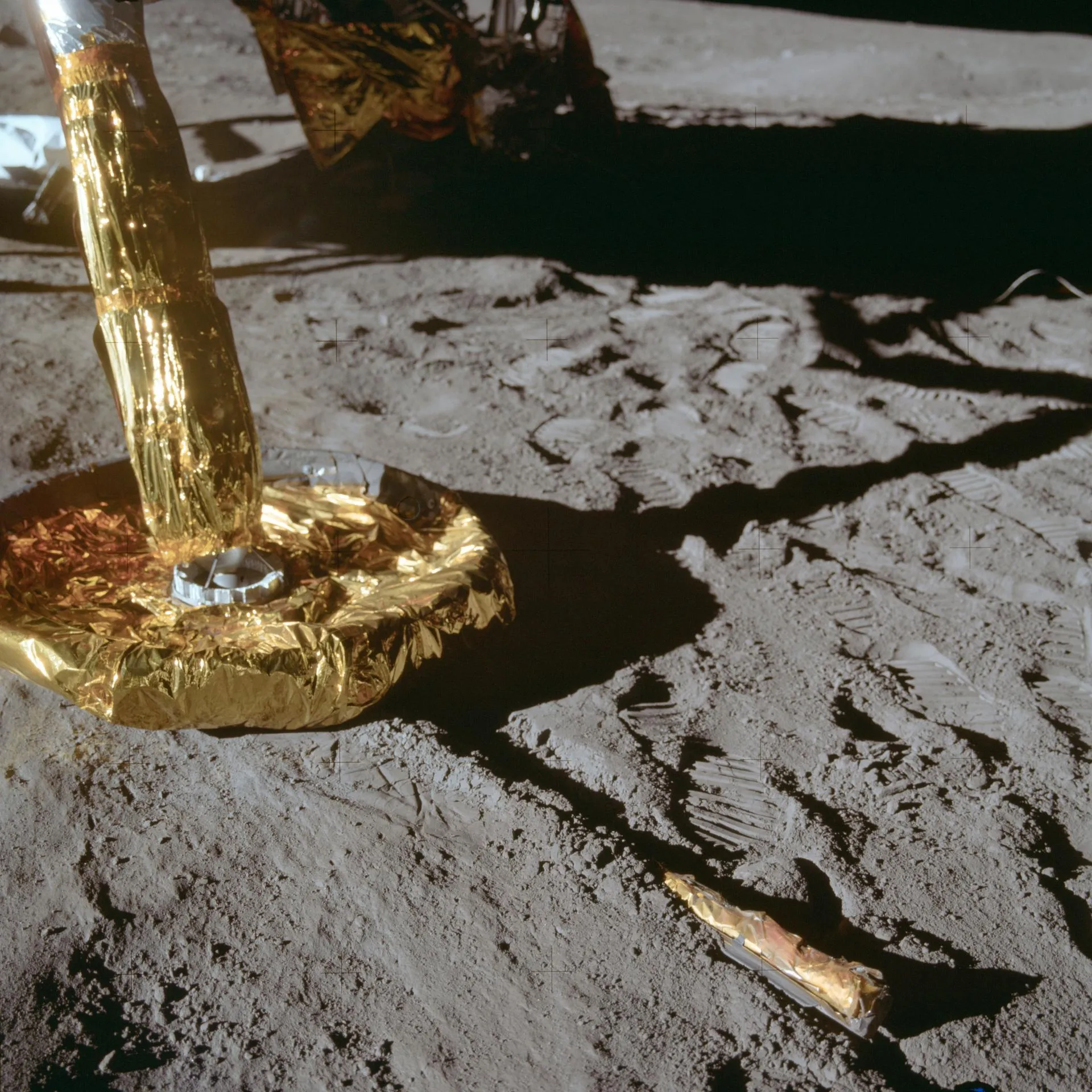 (opens larger view)
One of Eagle's footpads on the Moon, July 1969.
Image: NASA (JSC)

Echo: Eagle's lower half is still sitting in the Sea of Tranquillity!
Apollo 12 and 13
One more landing, and one that turned back
Apollo 12: a landing next to an old robot
Apollo 12 landed on the Moon later in 1969, on 19 November. Its Lunar Module, Intrepid, came down only about 180 metres from Surveyor 3, a robot lander that had been there since 1967.
Once again, the descent stage carried the astronauts safely to the surface, and once they were ready to leave, it remained behind.
Apollo 13: the landing that never happened
Then came Apollo 13. This mission was supposed to land on the Moon, but an accident forced the astronauts to abandon the landing and return to Earth.
So Apollo 13 never left a Lunar Module descent stage on the lunar surface.
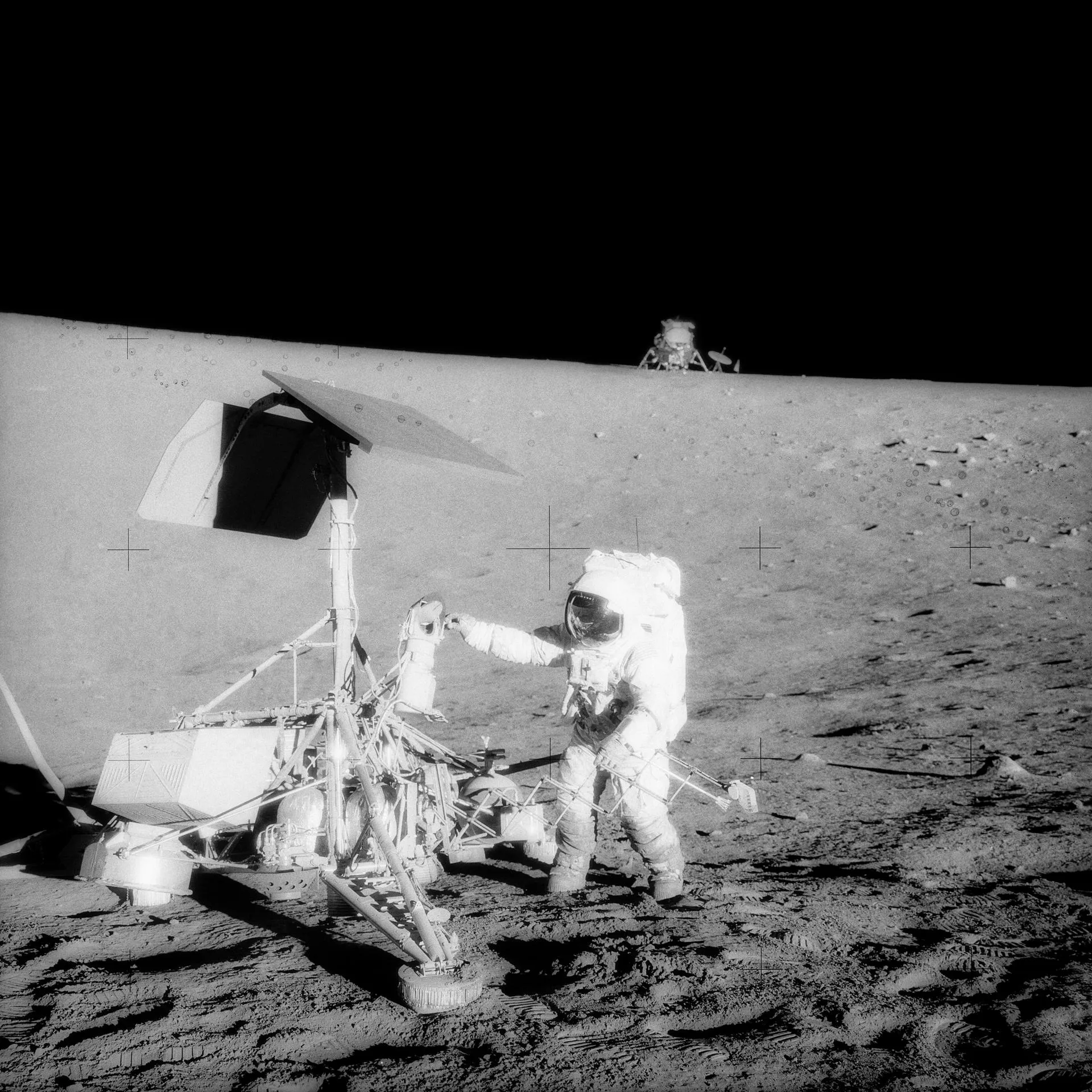 (opens larger view)
Two landers, one photo Surveyor 3 in front, Intrepid behind. Both are still there.
Image: NASA (JSC)
Where is Apollo 13's lander?
Two days after launch, an oxygen tank exploded on the main spacecraft. The crew used their Lunar Module, Aquarius, as a lifeboat to get home. Just before reaching Earth they let it go, and it burned up in Earth's atmosphere.

Echo: A Lunar Module that became a lifeboat? Space is full of surprises.

Imagine this…
You are sitting in the ascent stage, about to lift off from the Moon. Under your feet, the descent stage will stay behind forever. What would you leave on it for someone to find one day?
Apollo 14 · February 1971
Landing at Fra Mauro
The next successful landing was Apollo 14, on 5 February 1971.
Its Lunar Module Antares landed in the highlands near the crater Fra Mauro. That was the same place Apollo 13 had been heading for.
After the astronauts completed their work, its descent stage was left behind on the Moon.
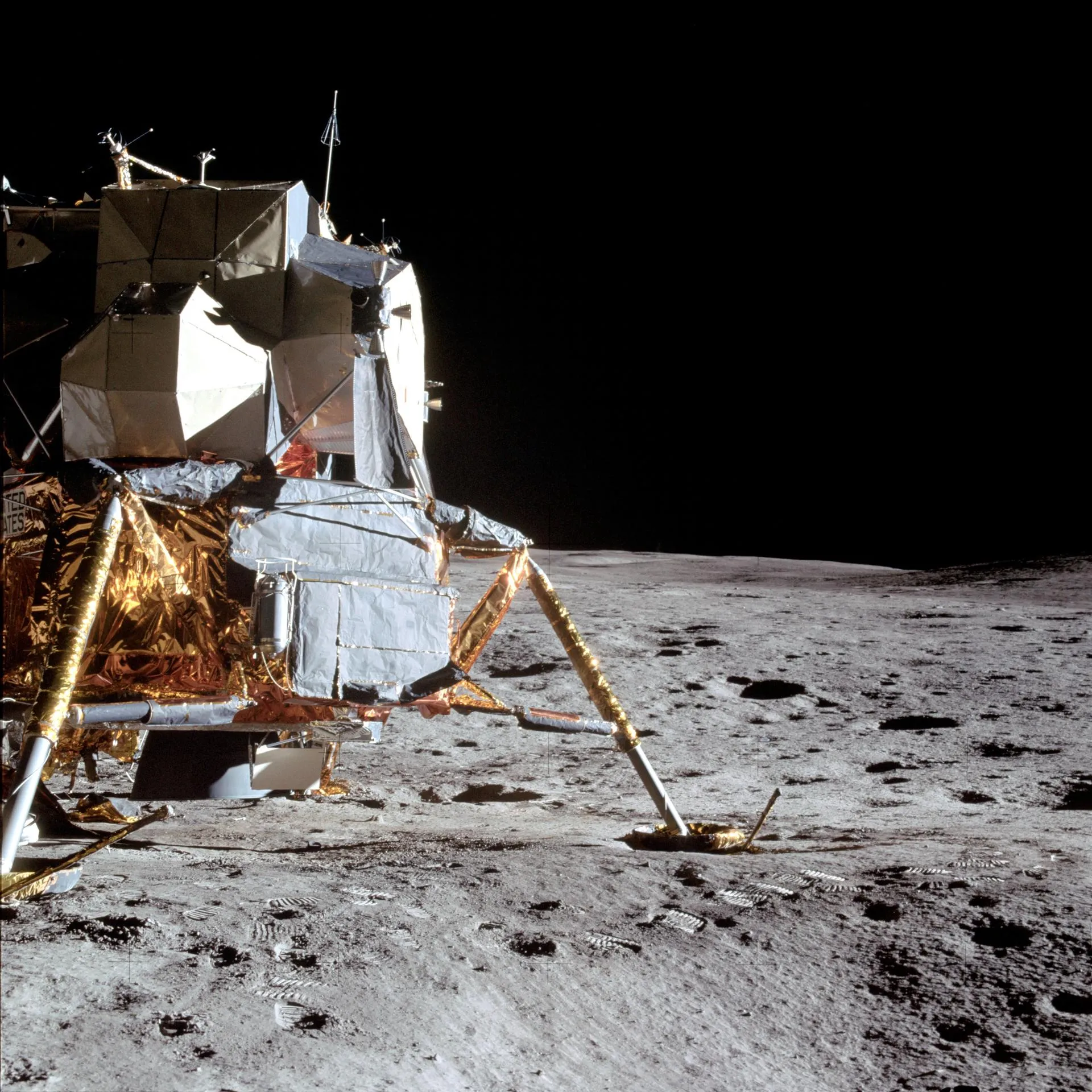 (opens larger view)
Antares, the Apollo 14 lander, during the first moonwalk.
Image: NASA (JSC)

Echo: Apollo 14 went where Apollo 13 couldn't.
Apollo 15 and 16
Then the missions grew bigger
Then the Apollo missions became more ambitious.
Apollo 15: a lander with a car on board
Apollo 15 landed on 30 July 1971, at the foot of the Apennine mountains. Its Lunar Module, Falcon, carried not only the astronauts and their equipment, but also the first Lunar Roving Vehicle.
The descent stage remained at the landing site after the astronauts departed.
Apollo 16: a base in the highlands
Apollo 16 followed in April 1972, landing in the Descartes highlands.
Again, the descent stage brought the astronauts down and became their platform for working on the Moon. When the mission was over, the ascent stage took the astronauts back into lunar orbit, leaving the descent stage behind.
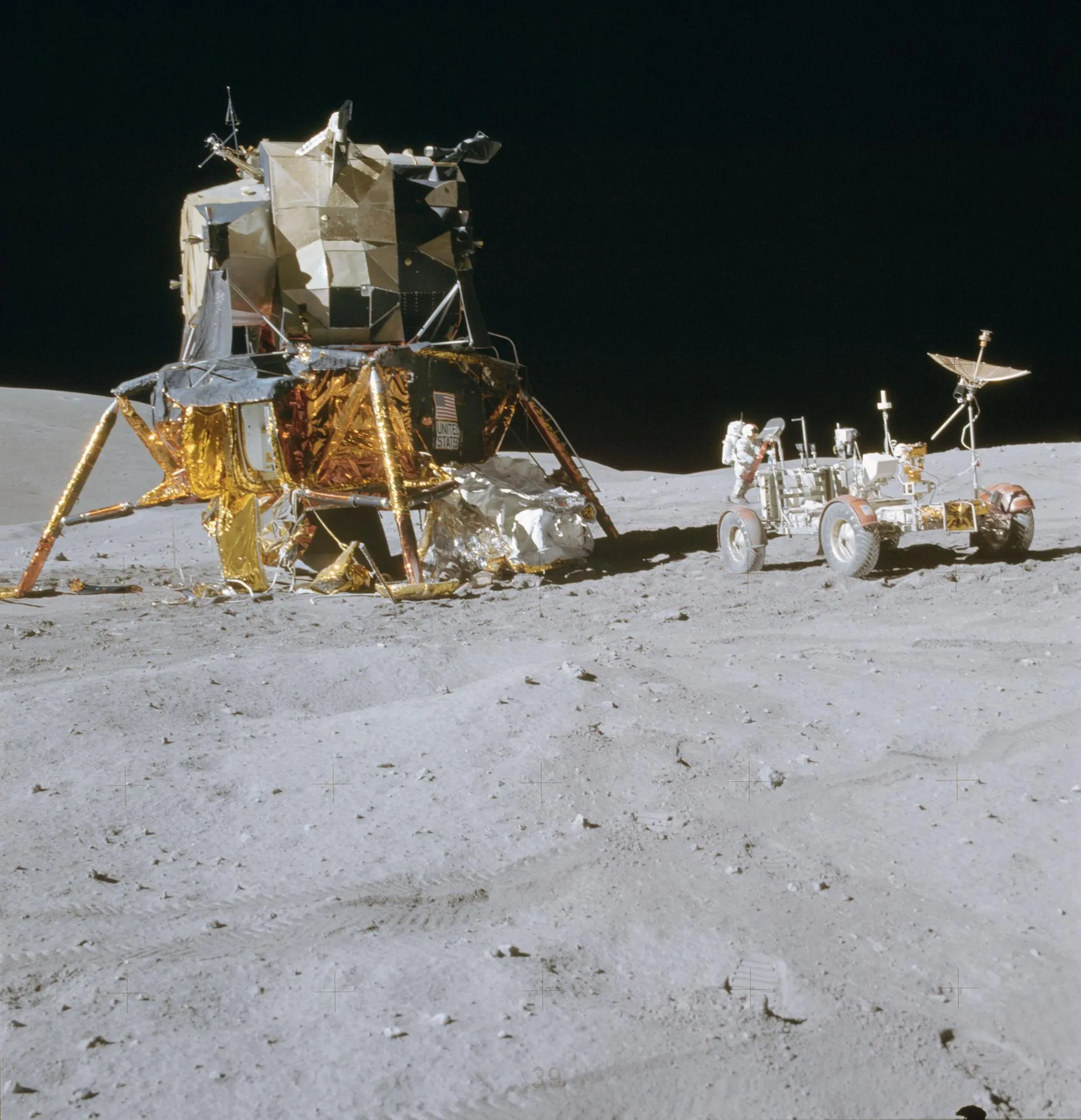 (opens larger view)
Apollo 16 Orion and the Apollo 16 rover during the first moonwalk.
Image: JSC
Where did the car go?
On Apollo 15, 16 and 17, the rover rode to the Moon packed into the storage space of the descent stage, next to the tools and experiments.

Echo: A spacecraft that brought its own car. Road trip!
Apollo 17 · December 1972
The last landing
And finally came Apollo 17, the last Apollo mission to land humans on the Moon.
Its Lunar Module Challenger landed on 11 December 1972. The astronauts, Eugene Cernan and Harrison Schmitt, explored the surface, used the Lunar Roving Vehicle and deployed scientific equipment.
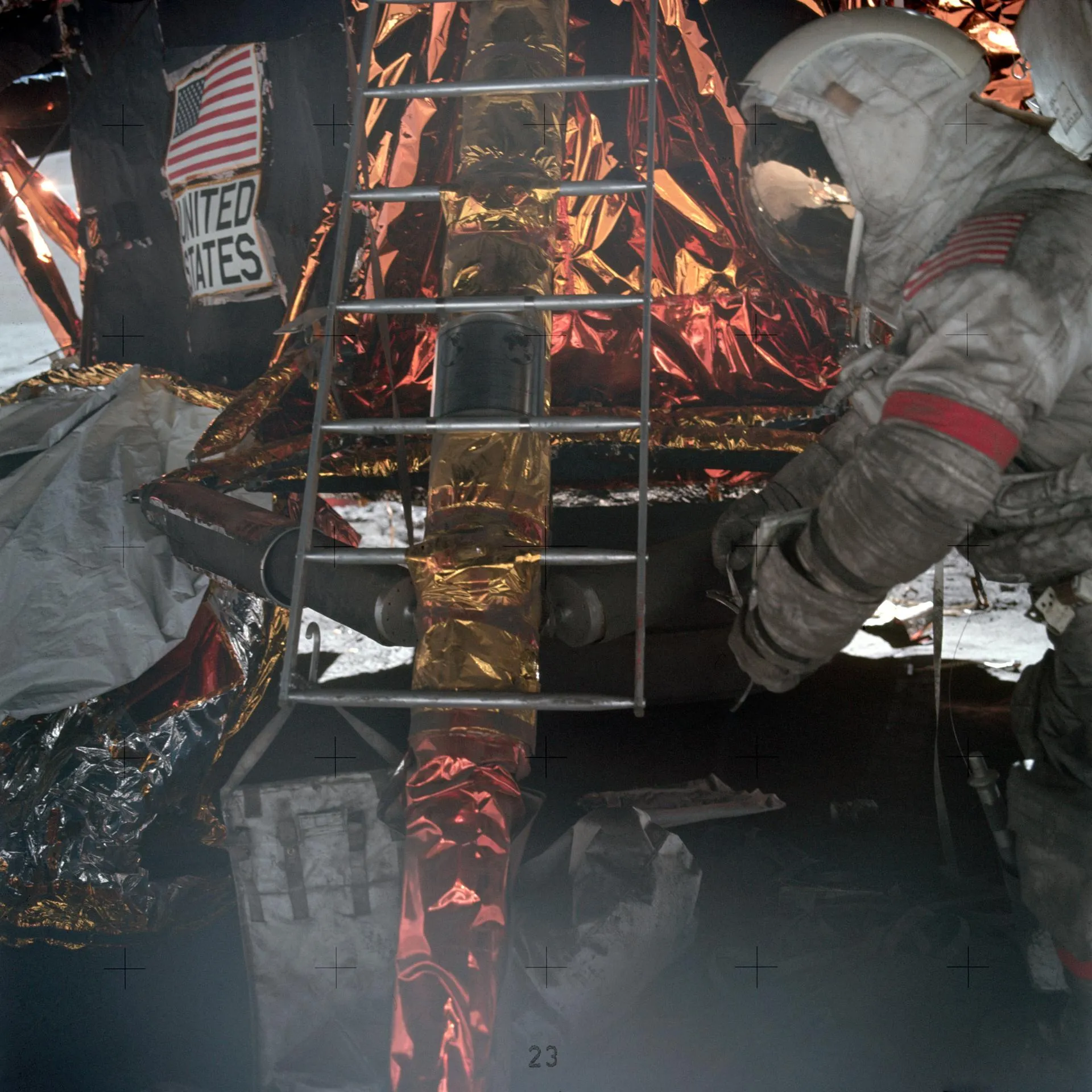
Before they left, they unveiled a plaque on the lander and read it out on TV: "Here man completed his first exploration of the Moon, December 1972 A.D." The plaque was fixed to the ladder, so it stayed with the descent stage.
Then it was time to leave.
 (opens larger view)
Eugene Cernan at Challenger's ladder. The plaque on the ladder stayed behind with the descent stage.
Image: NASA (JSC)

Echo: A message on the ladder, left for whoever comes next.
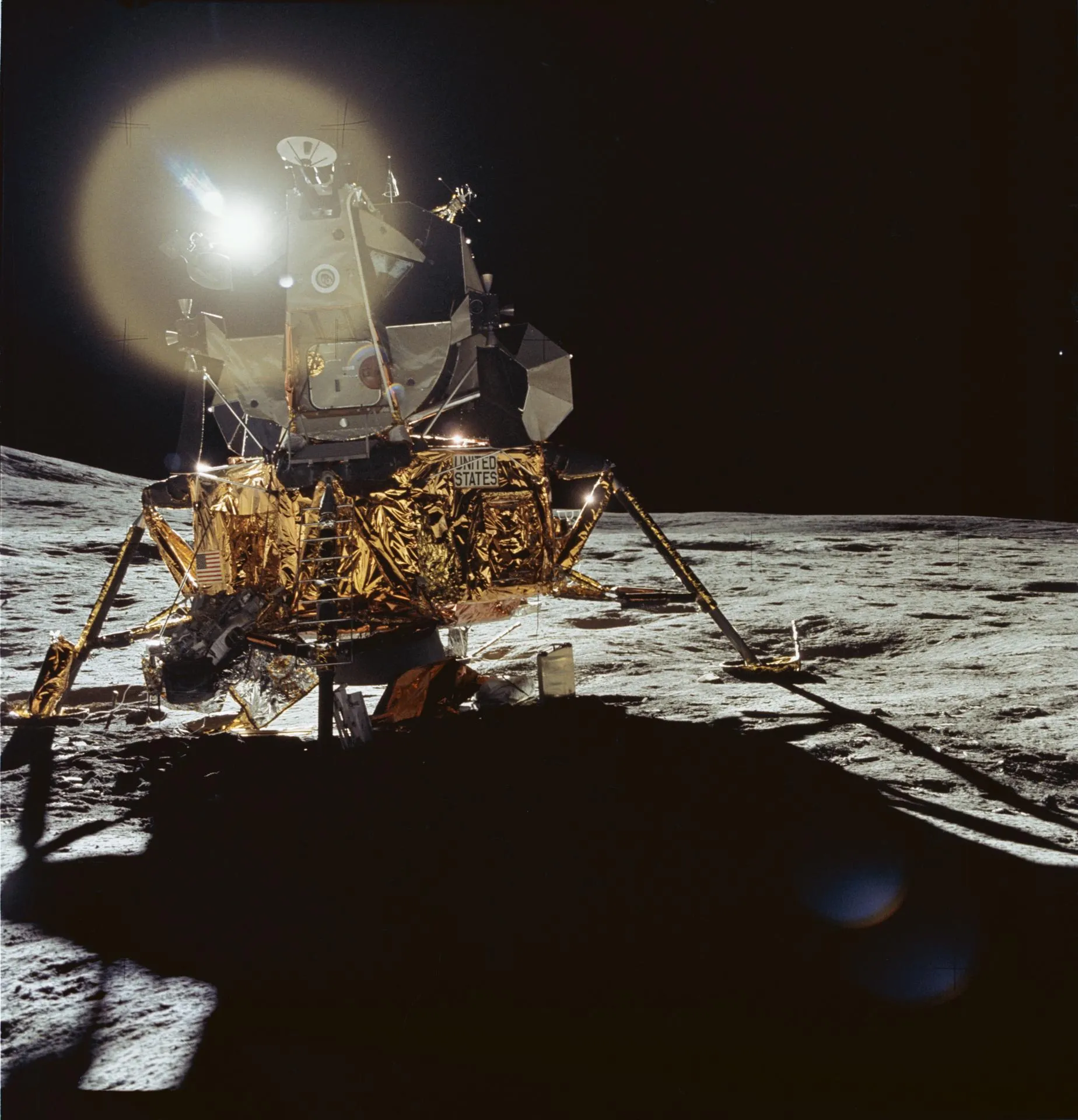
The ascent stage lifted off.
The descent stage stayed exactly where it was.
Image: JSC
Liftoff!
Only the top half flies
 (opens larger view)
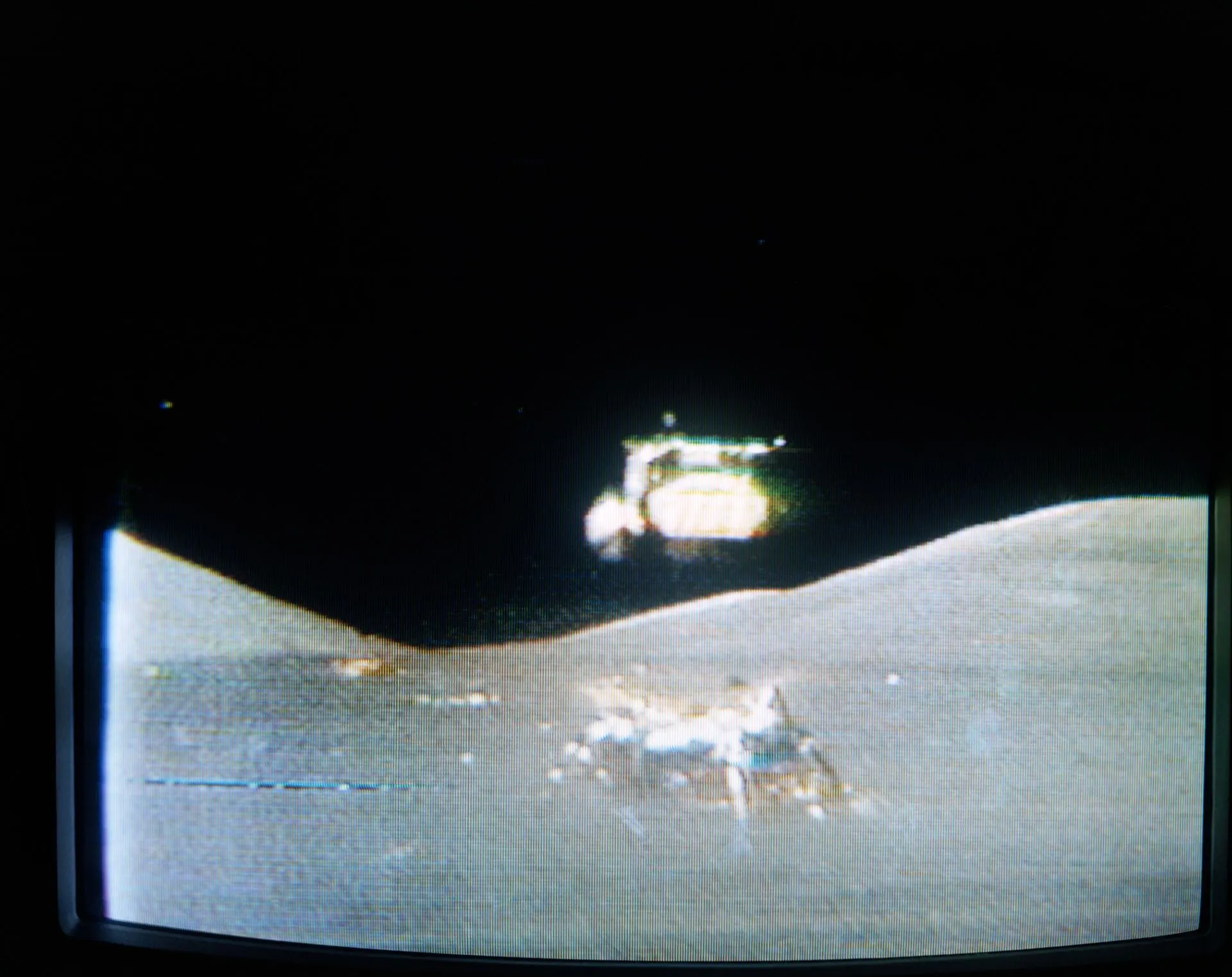
01 / Apollo 17, 14 December 1972: Challenger's top half heads for the sky. The bottom half stays. Filmed by the rover's TV camera, steered from Mission Control.
Image: NASA (JSC)
 (opens larger view)
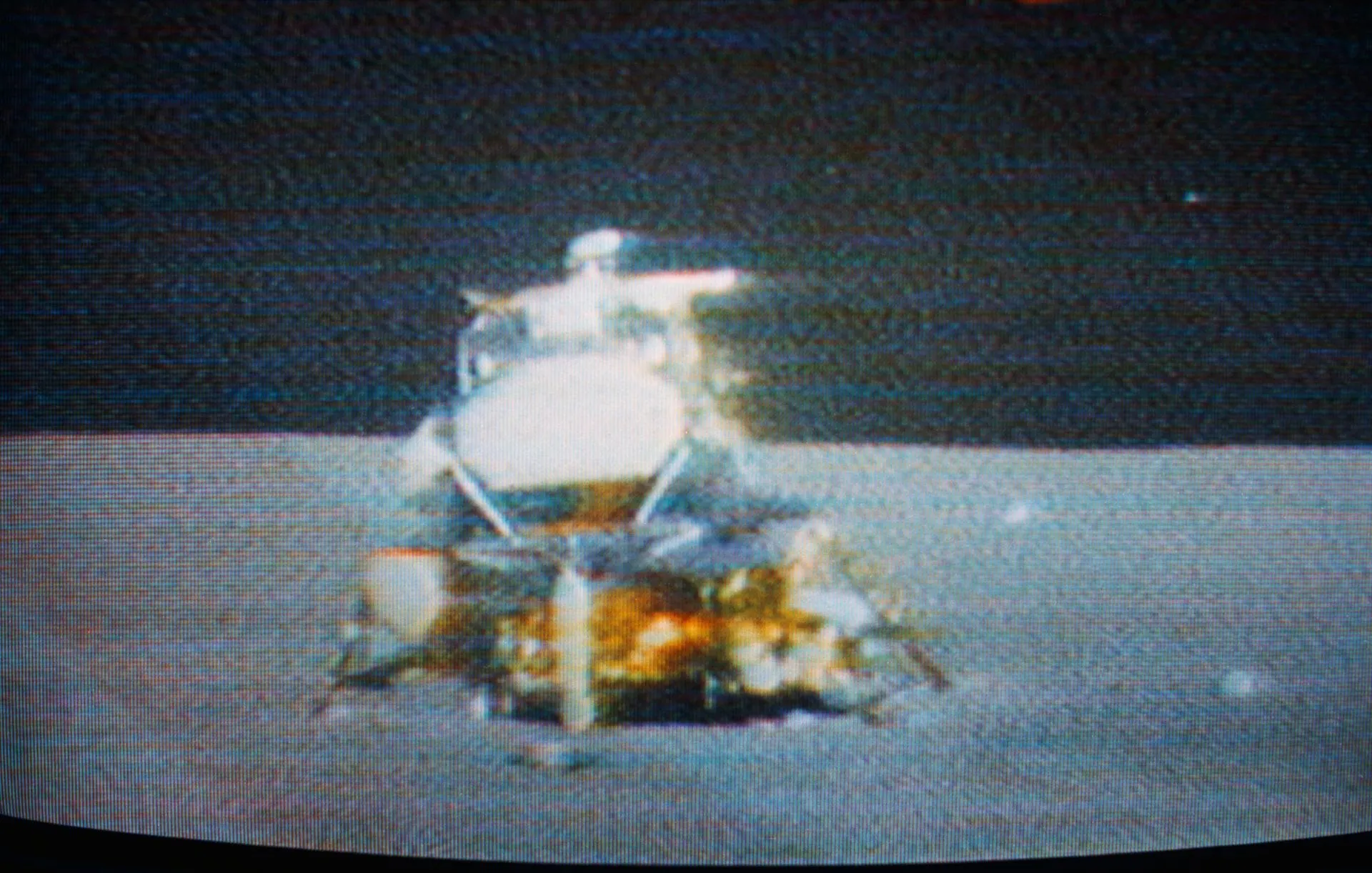
02 / Apollo 15: Falcon seconds before liftoff, filmed by the TV camera on the parked rover.
Image: NASA (JSC)
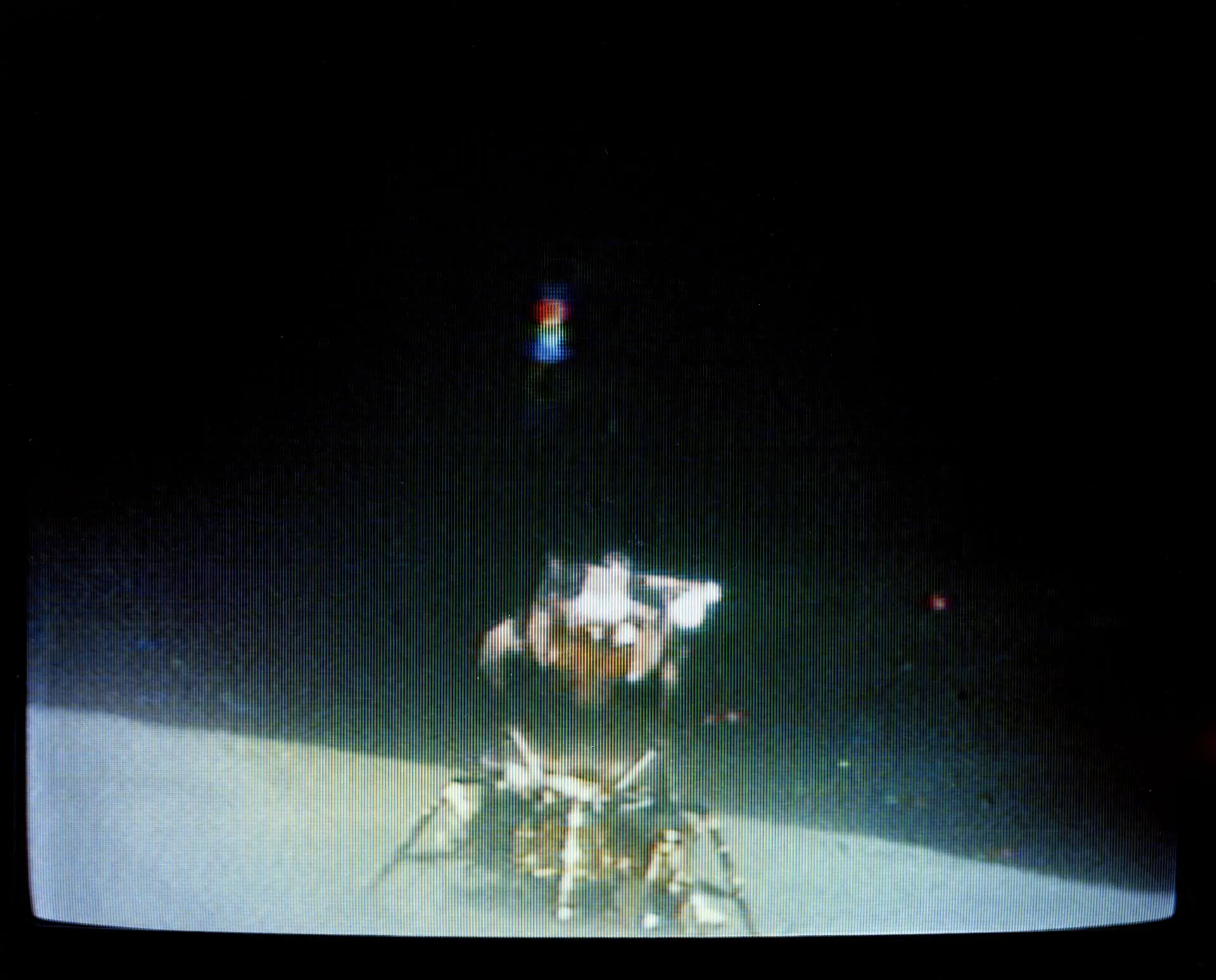 (opens larger view)
03 / Apollo 16: Orion's ascent stage lifts off, seen on colour TV.
Image: NASA (JSC)
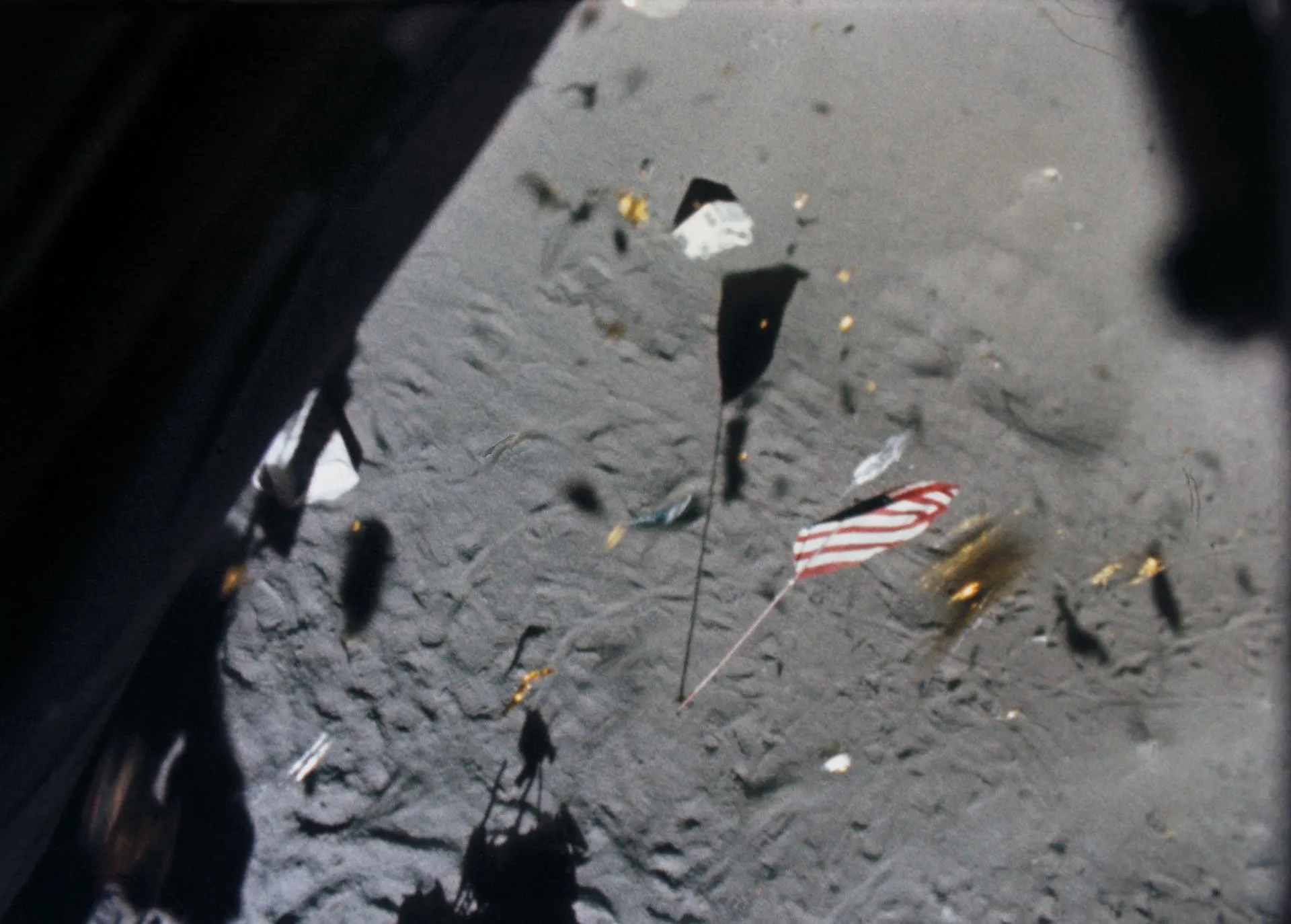 (opens larger view)
04 / Apollo 14, seen from inside the lander: the engine blast shakes the flag and scatters scraps of gold-coloured foil from the lander.
Image: NASA (JSC)
Left behind
Six landings, six descent stages
Six successful Apollo lunar landings left six Lunar Module descent stages on the Moon.
And they are big. Each one is 4.2 metres across and weighs more than two tonnes, even without its fuel: from 2,034 kg for Eagle to 2,935 kg for Challenger, counting the equipment packed inside.
After Apollo 17 left in December 1972, the six descent stages sat alone on the Moon. But decades later, something new came along.
What happened to the top halves?
After the astronauts moved back into the main spacecraft, the ascent stages were let go. Four of them, from Apollo 12, 14, 15 and 17, crashed back into the Moon. The ones from Apollo 11 and 16 were left circling the Moon.

Echo: The top halves flew away, and some of them even came back!
Seen from orbit
And there they were
In 2009, NASA's Lunar Reconnaissance Orbiter, or LRO, began mapping the Moon from orbit. Its camera was powerful enough to photograph the Apollo landing sites from above.
And there they were. The descent stages. Still sitting on the Moon.
At the Apollo 11 site, for example, LRO photographed the descent stage of Eagle 40 years after the landing. The image even shows two of the experiments the astronauts set up nearby: a laser mirror and a seismometer.
LRO has photographed all six Apollo landing sites. In its pictures you can even see where the astronauts' boots stirred up the dusty soil.
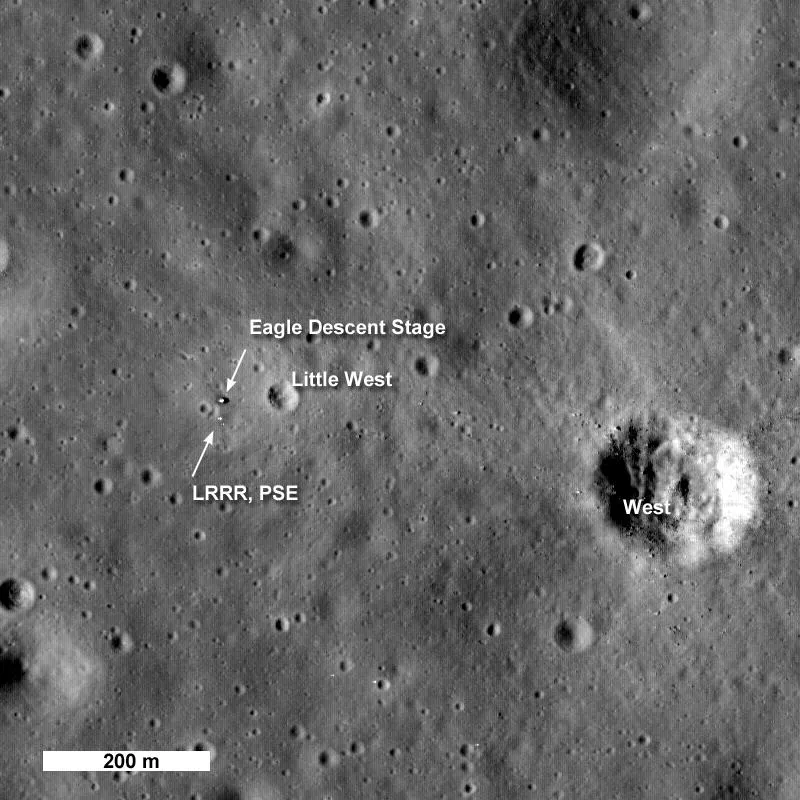 (opens larger view)
Apollo 11 from orbit Tranquility Base seen by LRO in 2009. The labels point to Eagle's descent stage and two experiments: LRRR is the laser mirror, PSE the seismometer.
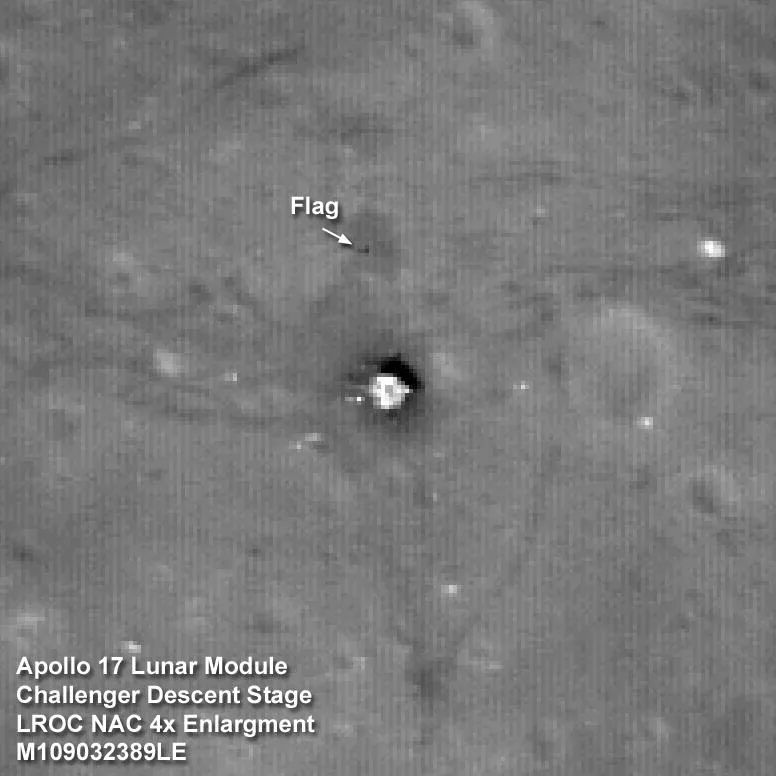 (opens larger view)
Apollo 17 from orbit Challenger's descent stage at Taurus–Littrow, photographed by LRO.

Echo: Spotted from space: six launch pads, right where they were left!
Timeline
Six landings, and one look back
20 July 1969
Apollo 11: Eagle lands
Neil Armstrong and Buzz Aldrin land in the Sea of Tranquillity (Mare Tranquillitatis).
19 November 1969
Apollo 12: Intrepid lands
Pete Conrad and Alan Bean land in the Ocean of Storms (Oceanus Procellarum), about 180 metres from Surveyor 3.
13 April 1970
Apollo 13 turns back
An oxygen tank explodes on the way to the Moon, and the landing is called off. The Lunar Module Aquarius becomes a lifeboat and later burns up in Earth's atmosphere.
5 February 1971
Apollo 14: Antares lands
Alan Shepard and Edgar Mitchell land in the highlands near the crater Fra Mauro.
30 July 1971
Apollo 15: Falcon lands
David Scott and James Irwin land at the foot of the Apennine mountains, with the first Lunar Roving Vehicle on board.
21 April 1972
Apollo 16: Orion lands
John Young and Charles Duke land in the Descartes highlands. In the USA it is still the evening of 20 April.
11 December 1972
Apollo 17: Challenger lands
Eugene Cernan and Harrison Schmitt land on the southeastern edge of the Sea of Serenity (Mare Serenitatis).
14 December 1972
The last liftoff
Challenger's ascent stage takes off. Its descent stage stays behind, like the five before it.
23 June 2009
LRO arrives at the Moon
NASA's Lunar Reconnaissance Orbiter goes into orbit. Its camera goes on to photograph all six Apollo landing sites.
Still there
Part of human history
The astronauts went home. The ascent stages lifted off. But the descent stages never left.
They arrived as part of a spacecraft. They became landing platforms. And then, when their job was finished, they became something else entirely:
part of the human history permanently left behind on the Moon.
 (opens larger view)
Orion in the Descartes highlands. Its lower half is still there.
Image: JSC
Echo: Six launch pads, used once each, and still on the Moon today. Not forgotten!
Still there today
Six descent stages, six landing sites
- Status: Not working any more
Eagle descent stage (Apollo 11)
The first crewed spacecraft to land on the Moon, on 20 July 1969.
- Status: Not working any more
Intrepid descent stage (Apollo 12)
Landed about 180 metres from Surveyor 3.
- Status: Not working any more
Antares descent stage (Apollo 14)
Landed in the highlands near the crater Fra Mauro.
- Status: Not working any more
Falcon descent stage (Apollo 15)
The first Lunar Module to carry a rover.
- Status: Not working any more
Orion descent stage (Apollo 16)
Landed in the Descartes highland region.
- Status: Not working any more
Challenger descent stage (Apollo 17)
The crew unveiled a plaque on the lander and read it out on TV.
Sources and fact-check
- NSSDCA: Apollo 11 Lunar Module / EASEP
- NSSDCA: Apollo 12 Lunar Module / ALSEP
- NSSDCA: Apollo 14 Lunar Module / ALSEP
- NSSDCA: Apollo 15 Lunar Module / ALSEP
- NSSDCA: Apollo 16 Lunar Module / ALSEP
- NSSDCA: Apollo 17 Lunar Module / ALSEP
- NASA Astromaterials Curation: Lunar rocks and soils from Apollo missions (382 kg)
- NASA History: 15 Years Ago: Lunar Reconnaissance Orbiter Begins Moon Mapping Mission
- NSSDCA: Apollo 13 Lunar Module / ALSEP
- NSSDCA: Impact sites of Apollo LM ascent and SIVB stages
- NASA: Apollo 17
- NASA Science Photojournal: Apollo 11: Second Look (PIA12909)
- NASA Image: Saturn V/Apollo Lunar Module chart (0101207)
- NASA Image: Eugene Cernan at the Apollo 17 ladder, plaque left with the descent stage (AS17-134-20481)