First launch: 3 March 1972Status: Leaving the solar system
Pioneer 10 and 11
Image: ARC
Leaving the solar system
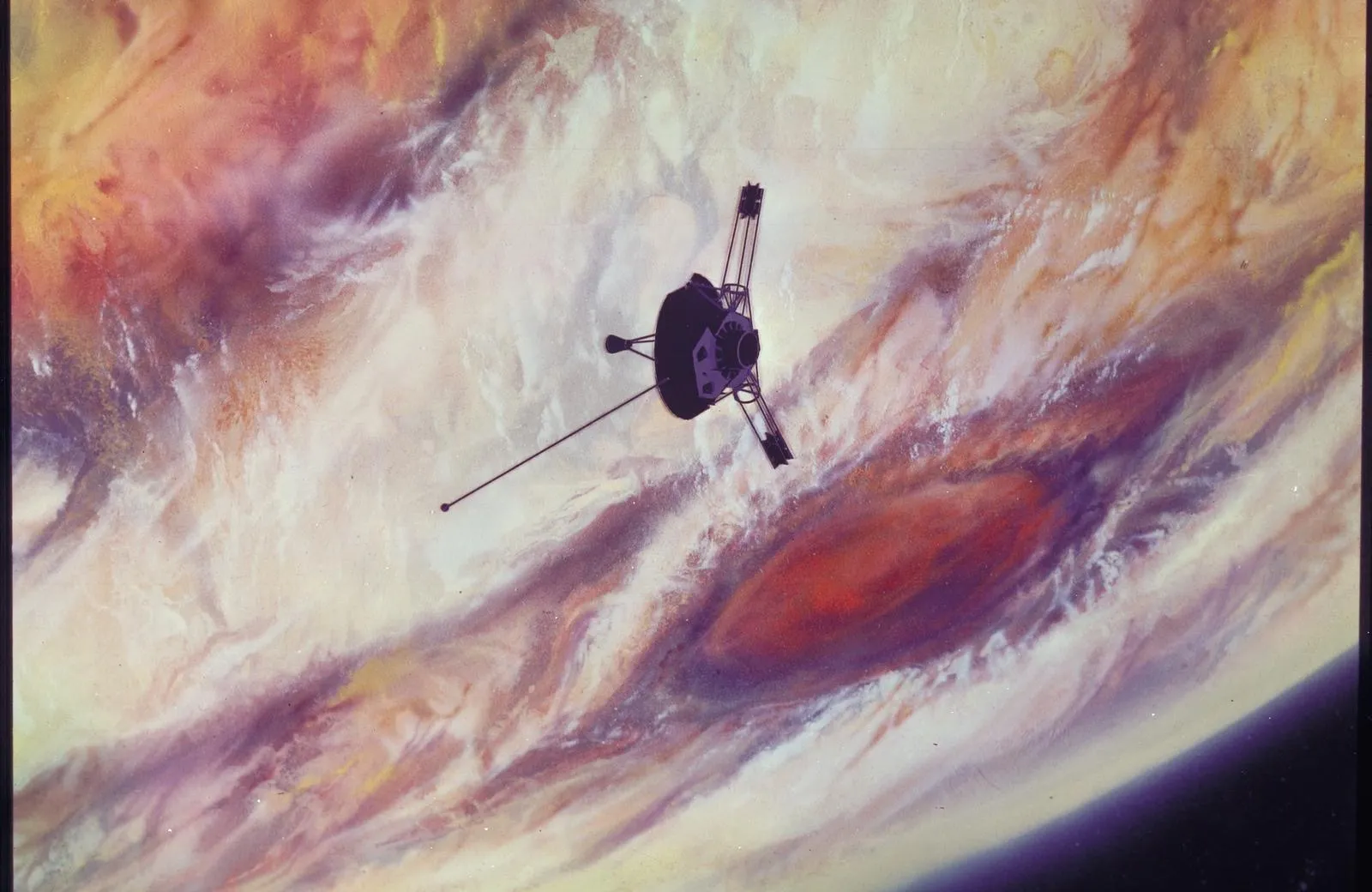
Pioneer 10 was the first spacecraft to cross the asteroid belt and fly past Jupiter, in December 1973. Pioneer 11 flew past Jupiter in December 1974 and became the first spacecraft to fly by Saturn, in September 1979.
Where is it now?
Leaving the solar system
The story
Why did it go?
To be the first spacecraft to explore the outer planets: through the asteroid belt to Jupiter and, for Pioneer 11, on to Saturn.
Pioneer 10 was the first spacecraft to cross the asteroid belt and fly past Jupiter, in December 1973. Pioneer 11 flew past Jupiter in December 1974 and became the first spacecraft to fly by Saturn, in September 1979.
 (opens larger view)
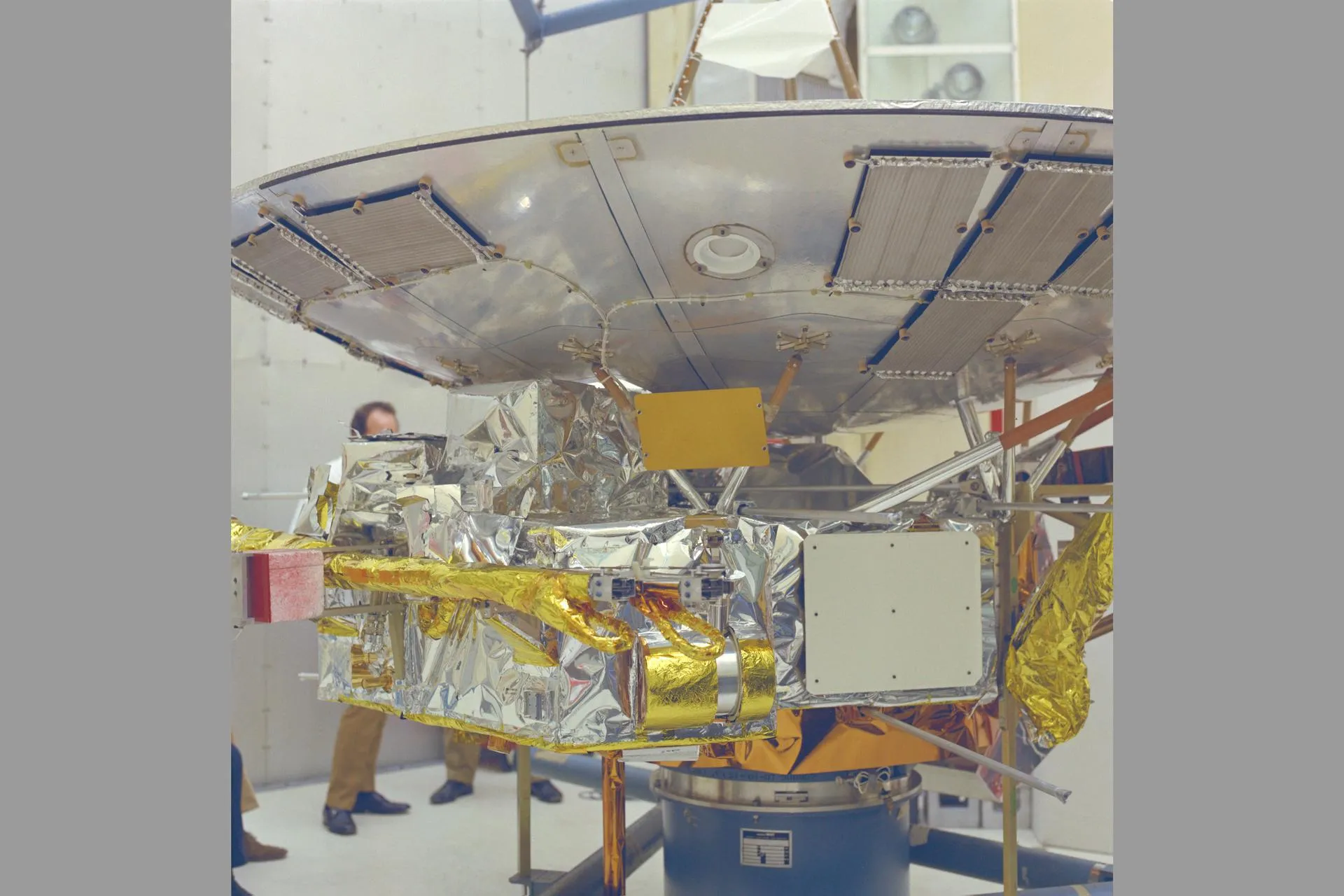
Pioneer 10 being prepared for launch. Its plaque is fixed to the frame.
Image: ARC
By the numbers
The mission in numbers
- first launch
- 1972
- type of mission
- Robotic
- objects listed as left behind
- 3
Timeline
The journey, step by step
3 March 1972
First launch
23 January 2003
The last mission ends
Still there today
What did it leave behind?
- Status: Leaving the solar system
Pioneer 10
Heading towards the red star Aldebaran in the constellation Taurus. It should pass it in about two million years.
- Status: Leaving the solar system
Pioneer 11
Heading towards the constellation Sagittarius. Last contact on 30 September 1995.
- Status: Leaving the solar system
Pioneer plaques
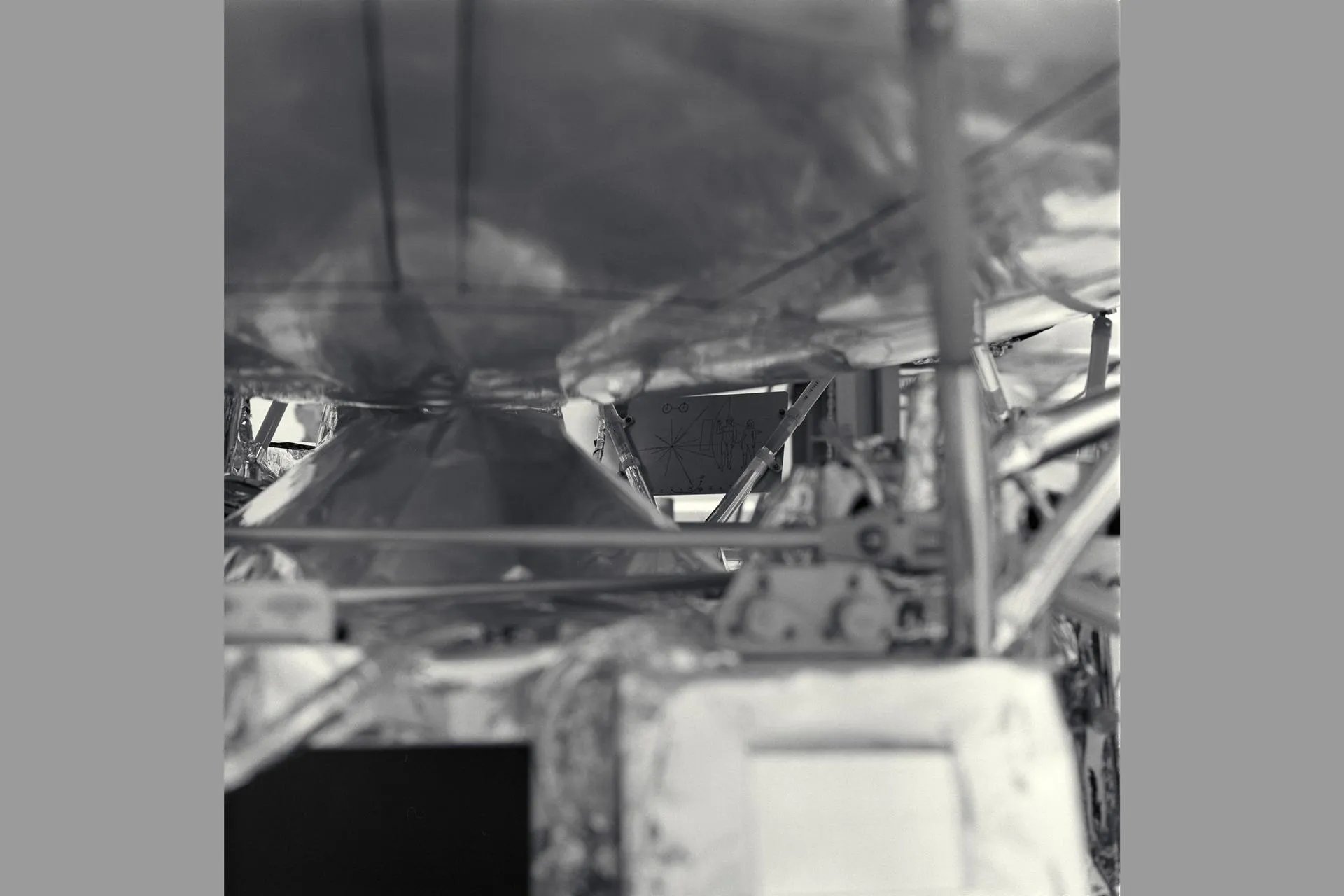
Both probes carry a small metal plaque showing a man, a woman and where Earth is.
In pictures
Take a closer look
 (opens larger view)
The plaque being fitted to Pioneer 10.
Image: TRW
 (opens larger view)
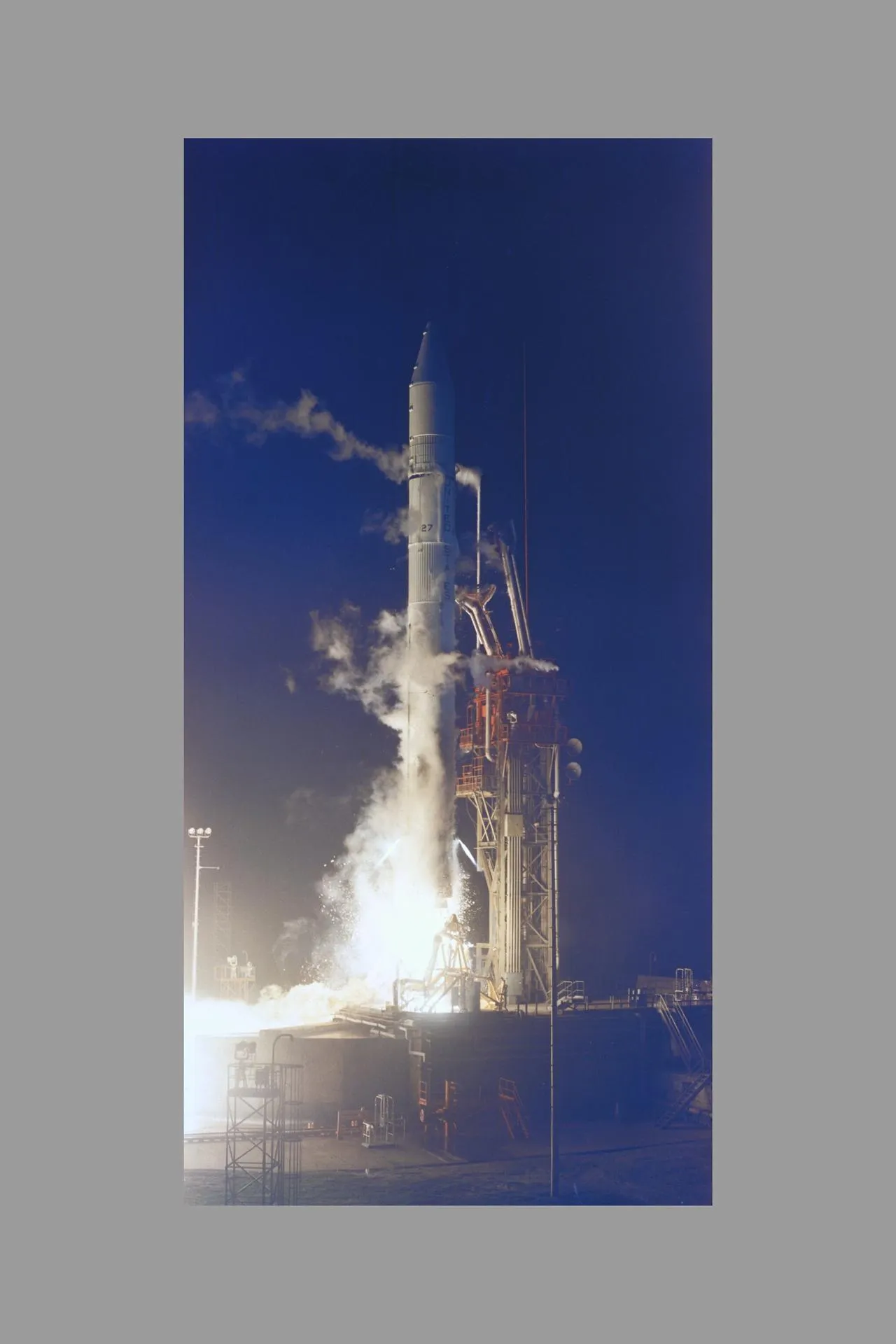
Pioneer 10's launch on the evening of 2 March 1972 (US time).
Image: KSC
 (opens larger view)
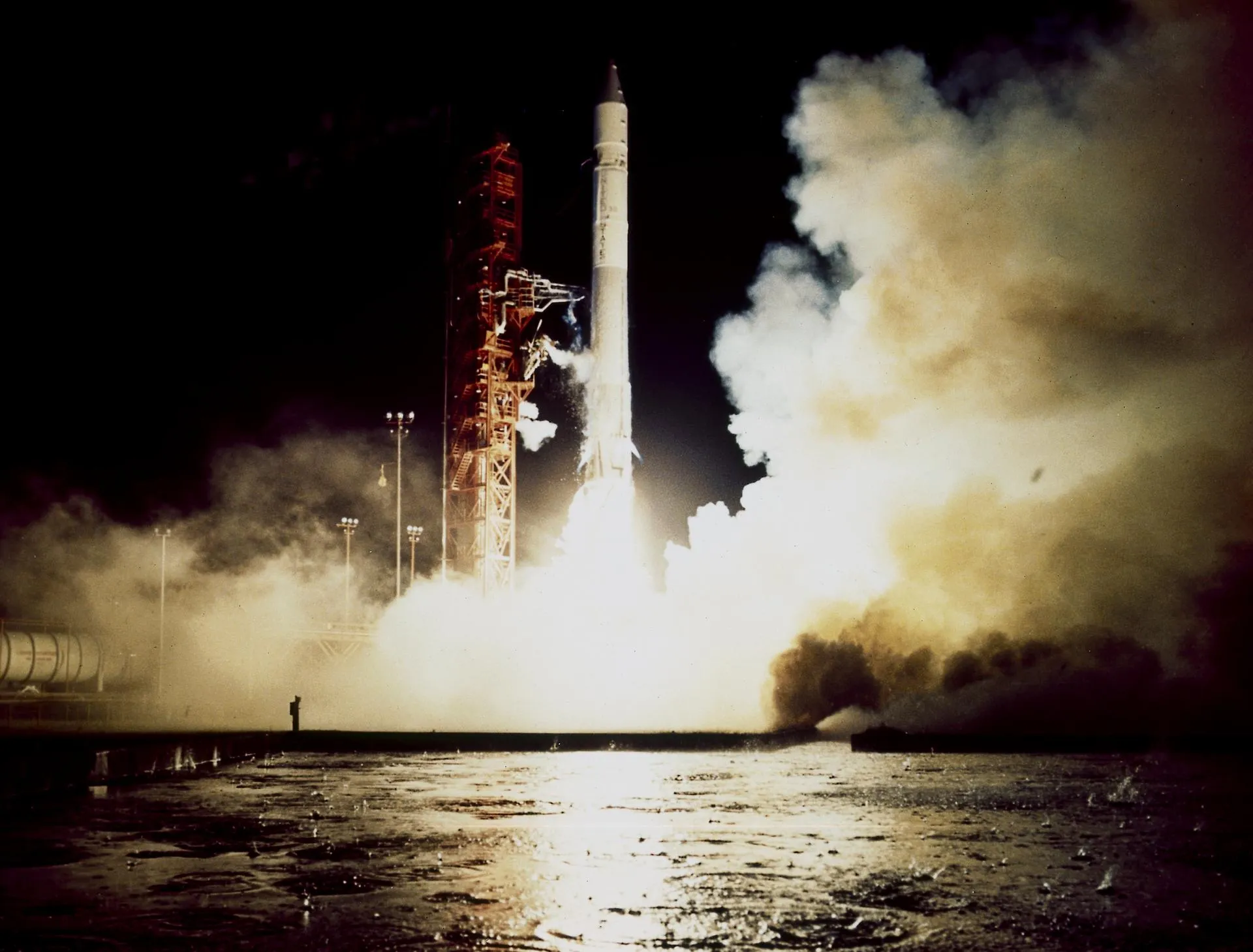
Pioneer 11's launch on 5 April 1973.
Image: MSFC
 (opens larger view)
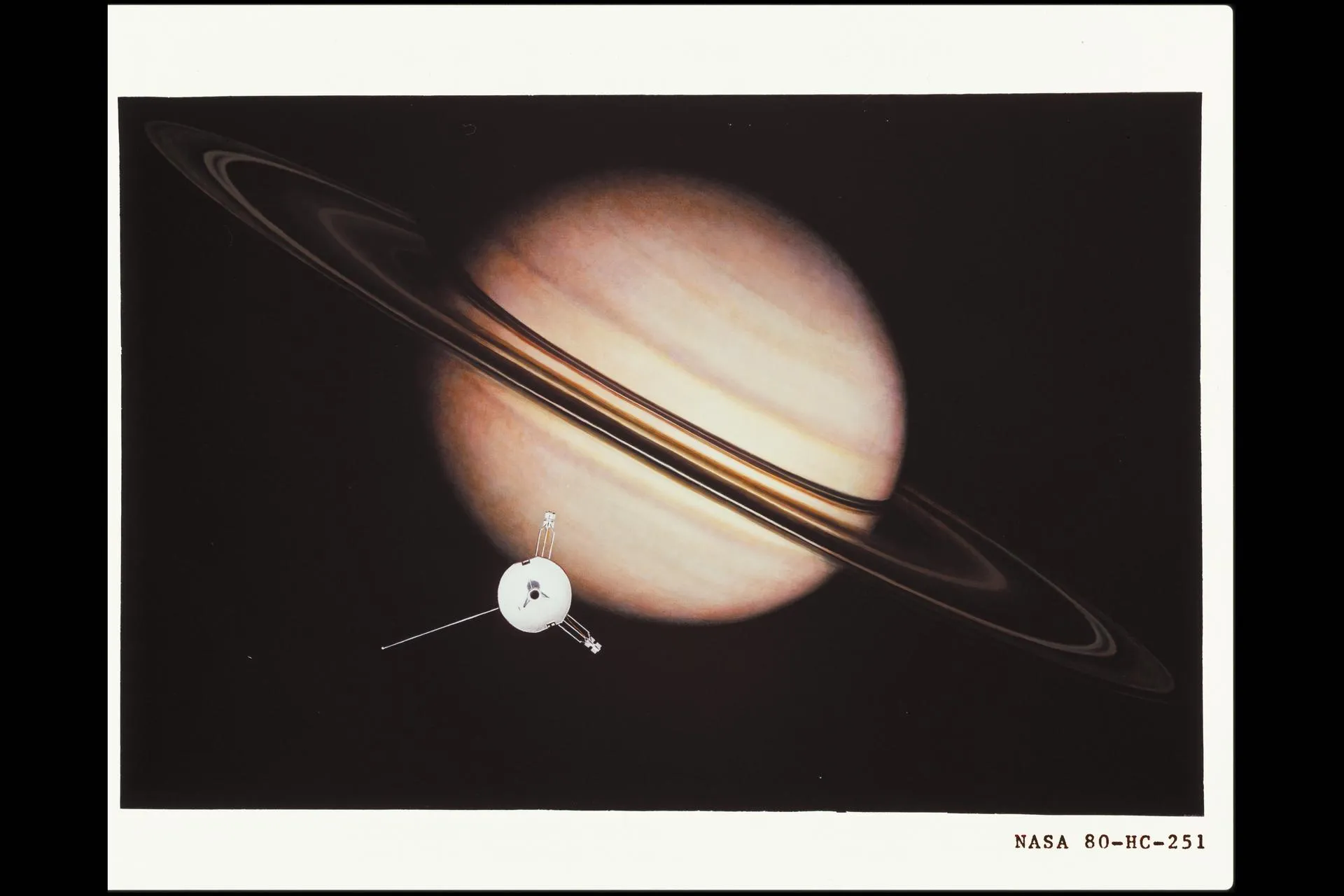
Painting: Pioneer 11 approaching Saturn, by Wilson Hurley.
Image: ARC
Science legacy
What did we learn?
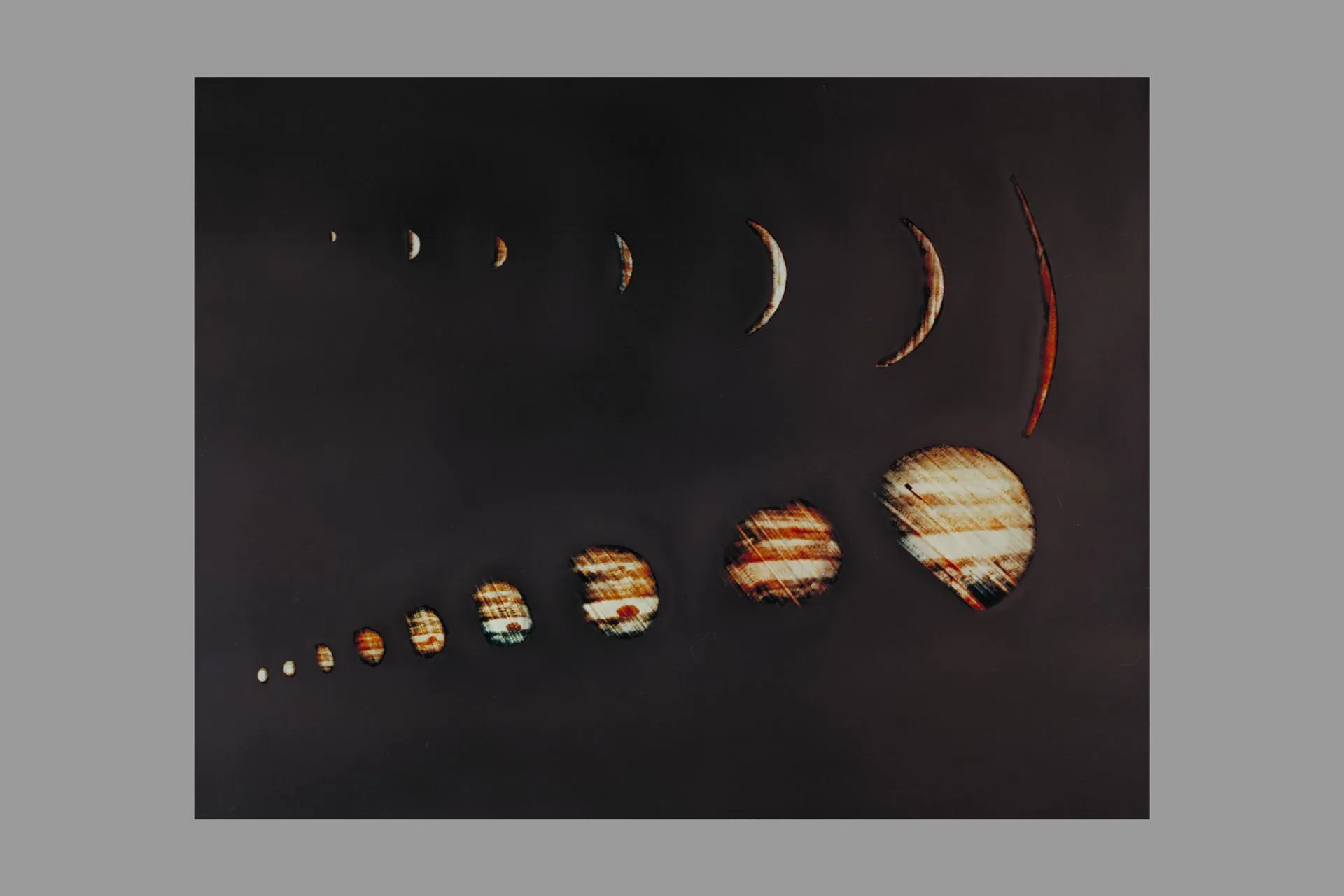
Pioneer 10 took about 500 pictures of Jupiter's atmosphere and photographed the Great Red Spot. It found that Jupiter's magnetic tail stretches almost 800 million km, all the way to the orbit of Saturn.
 (opens larger view)
Pictures of Jupiter sent back by Pioneer 10 during its 1973 flyby.
Image: ARC
Did you know?
Pioneer 10 was built for a 21-month mission but kept going for more than 30 years. Its last signal took 11 hours and 20 minutes to reach Earth.